By Nathaniel Pitoniak on April 9th, 2026 in Criminal Defense
Not every criminal act begins with criminal intent. For people living with PTSD, schizophrenia, or other psychiatric conditions, a traumatic response may drive behavior that looks intentional to police but lacks the mental state the law requires for a conviction.
Texas law ties criminal responsibility directly to a defendant’s state of mind at the time of the offense, and a PTSD defense or other trauma-based argument may lower the charges or lead to an alternative outcome.
If your situation involves mental health factors, speaking with a Houston criminal defense attorney who handles these types of cases is a strong first step.
Key Takeaways About Trauma in Criminal Defense
- Texas requires the prosecution to prove a specific mental state for most criminal offenses, and a PTSD defense may apply when trauma-driven symptoms interfere with a defendant’s ability to form that required intent.
- Self-defense due to mental trauma may apply when a person with PTSD genuinely perceives an imminent threat that others do not.
- Mental illness does not excuse criminal behavior, but it may reduce charges, support mitigation at sentencing, or provide the basis for an insanity defense.
How Criminal Intent Works Under Texas Law
 Every criminal prosecution in Texas starts with the same question: what was the defendant thinking at the time of the offense? Under Texas Penal Code § 6.03, the prosecution must prove one of four culpable mental states, listed from most to least serious.
The Four Levels of Mens Rea in Texas
Texas recognizes four distinct levels of criminal intent, each carrying different legal weight.
- Intentional, meaning the person acted with the conscious objective to cause a specific result
- Knowing, meaning the person was aware their conduct was reasonably certain to cause the result
- Reckless, meaning the person was aware of a substantial risk but consciously disregarded it
- Criminally negligent, meaning the person failed to perceive a substantial risk that an ordinary person would have recognized
The difference between these levels may determine whether someone faces a murder charge, a manslaughter charge, or no charge at all. When mental illness clouds a defendant’s perception of reality, the prosecution’s ability to prove the required mental state may weaken considerably.
How a PTSD Defense Challenges Criminal Intent
PTSD alters the way the brain processes threat. Someone with combat-related PTSD or trauma from domestic violence may experience flashbacks, dissociative episodes, or hyperarousal that distorts their perception of danger. In those moments, their reactions may look intentional to an outside observer, but their mental state may fall far short of the legal definition of intent.
Where Trauma in Criminal Defense Applies
Appellate courts across the country have recognized PTSD as a valid basis for several defense strategies. According to a review published in the Journal of the American Academy of Psychiatry and the Law, courts have accepted PTSD testimony in connection with these approaches:
- Insanity, when the defendant’s trauma-related condition prevented them from knowing their conduct was wrong
- Diminished capacity, when the defendant lacked the ability to form the specific intent the offense requires
- Self-defense due to mental trauma, when the defendant’s PTSD caused them to genuinely perceive an imminent threat
- Sentencing mitigation, when the defendant’s trauma history provides context for the court at punishment
The same review noted that success depends heavily on whether psychiatric testimony directly connects the PTSD symptoms to the defendant’s behavior at the time of the offense. A diagnosis alone is not enough.
When Self-Defense Due to Mental Trauma May Apply
Texas recognizes the right to self-defense under Texas Penal Code § 9.31, which allows a person to use force when they reasonably believe it is immediately necessary to protect themselves against another’s use or attempted use of unlawful force. These self-defense laws are based on what the defendant believed at the time, not what was objectively happening.
How PTSD Affects the Perception of Threat
For someone with PTSD, a harmless situation may trigger a survival response rooted in past trauma. A veteran who experienced combat may react to a loud noise or sudden movement as though under attack.
A domestic violence survivor may interpret a raised voice as an imminent physical threat. In these situations, self-defense due to mental trauma becomes a legitimate legal argument.
The defense must show that the defendant’s perception of danger was genuine and connected to a documented psychiatric condition. Forensic psychiatric testimony plays a direct role in establishing that connection for the judge or jury.
How Mental Illness May Reduce Charges or Affect Sentencing in Houston
Even when a full defense like insanity or self-defense does not apply, mental illness may still influence the outcome of a criminal case. Harris County courts have access to mental health diversion programs, and mental health detention laws in Texas allow judges to consider psychiatric conditions during sentencing.
Common Ways Mental Health Affects Case Outcomes
Mental illness may shape the direction of a case at several stages, from the grand jury phase through sentencing.
- A murder charge may be reduced to manslaughter if the defense shows the defendant acted in a state of sudden passion triggered by a psychiatric episode
- Felony charges may be reduced or dismissed through pre-trial intervention when the defendant demonstrates a treatable mental health condition
- Judges may order inpatient or outpatient treatment as an alternative to incarceration
- A grand jury may decline to indict, known as a no-bill, when the defense presents compelling psychiatric evidence during the investigation phase
The criminal justice system does not treat mental illness as a free pass. But it does recognize that psychiatric conditions may alter a person’s ability to form intent, perceive reality, or control their behavior in ways that matter legally.
How the Law Office of Nathaniel Pitoniak Handles Trauma and Mental Health Defense in Houston
Nathaniel Pitoniak is a former Felony Prosecutor and Chief Prosecutor with the Harris County District Attorney’s Office with over 17 years of experience defending individuals in Houston.
Mental health defense is the cornerstone of the firm’s practice, and Nathaniel has represented clients with conditions including schizophrenia, PTSD, and other severe psychiatric disorders.
Pre-Charge Intervention and Investigation
Rather than waiting for formal charges, Nathaniel frequently gathers evidence during the investigation phase and presents it directly to law enforcement or prosecutors. This approach has resulted in cases where charges were never filed.
In one case, a young man with lifelong mental health conditions faced aggravated sexual assault charges carrying five years to life. Nathaniel secured a no-bill from the grand jury, and charges were never formally brought.
Working with Families
Many of the firm’s clients are referred by family members navigating the intersection of mental illness and the criminal justice system. Nathaniel’s approach prioritizes clear communication, honest case assessment, and genuine care for both the client and their family.
FAQs for PTSD Defense and Trauma in Criminal Defense
Does PTSD automatically reduce criminal charges in Texas?
No. A PTSD diagnosis alone does not reduce charges. The defense must present psychiatric testimony showing a direct connection between the defendant’s PTSD symptoms and their behavior at the time of the alleged offense. The diagnosis provides the medical foundation, but the legal argument must tie that diagnosis to the specific mental state element the prosecution needs to prove.
What types of trauma support a self-defense claim based on mental trauma?
Combat exposure, domestic violence, childhood abuse, and sexual assault are among the most common forms of trauma that courts have considered in self-defense claims tied to PTSD. The key factor is whether the defendant genuinely perceived an imminent threat due to their condition, and whether forensic psychiatric testimony may establish that connection for the judge or jury.
Get Help from a Houston Attorney Who Handles PTSD Defense and Trauma Cases
 Living with PTSD or another psychiatric condition does not mean you lose the right to a fair defense. The law accounts for the way mental illness affects perception, intent, and behavior, and the right attorney knows how to present that evidence where it matters most. Reach out to the Law Office of Nathaniel Pitoniak to discuss your case today.
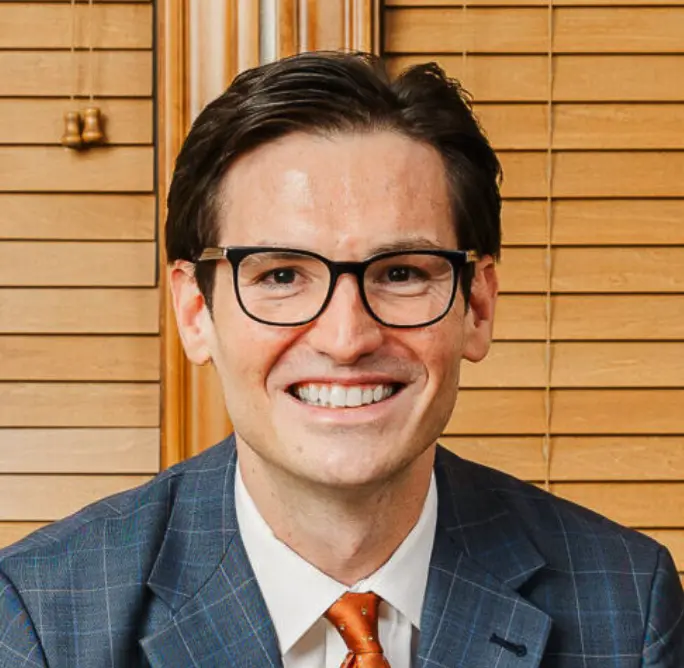
Verified By: Nathaniel Pitoniak, Criminal Defense Lawyer & Former Prosecutor
Last Modified: August 5, 2026
Nathaniel Pitoniak is an experienced criminal defense attorney and former Harris County prosecutor based in Houston, Texas. With nearly two decades of legal practice, he has tried over thirty jury trials, ranging from misdemeanors to serious felonies, and dedicated his career to fighting for the rights of individuals facing criminal charges.
Experience
- Proven Results: Has successfully tried more than 30 felony and misdemeanor jury trials and obtained hundreds of case dismissals. Secured notable outcomes, including a Not Guilty verdict in a serious felony trial carrying up to 99 years in prison, and substantial charge reductions in complex homicide matters.
- Prosecutorial Perspective: Served as a former Assistant District Attorney, felony prosecutor, and chief prosecutor in the Harris County District Attorney’s Office, gaining firsthand insight into how cases are built, evidence is evaluated, and risk is assessed by the state.
- Client-Centered Resolution: Skilled in positioning cases for trial while actively seeking pre-trial intervention agreements and charge dismissals to help clients avoid conviction, preserve professional licenses, and protect immigration status.
Education & Academic Leadership
- Education: Earned his bachelor’s degree from the University of Texas and his Juris Doctor (J.D.) from The University of Houston Law Center.
- Academic & Professional Foundation: Trained extensively at the University of Houston Law Center and honed his trial advocacy during his tenure at the Harris County District Attorney’s Office.
Credentials & Recognition
- Courtroom Credibility: Earned praise from opposing prosecutors for trial advocacy, as well as high acclaim from clients for steady, honest, and persuasive representation in high-stakes criminal matters.
- Broad Legal Expertise: Represents clients facing a wide range of state and federal charges, including drug offenses, violent crimes, domestic violence, sex crimes, and white-collar offenses.
Connect with Nathaniel: Bio | Firm Office: (346) 589-7074